


ข่าวอุตสาหกรรม

ตัวกรองเมมเบรนกับตัวกรองแบบกด: อะไรคือความแตกต่าง?
 2026.07.13
 ข่าวอุตสาหกรรม
ตัวกรองกดตัวกรอง มีบทบาทสำคัญในการแยกของแข็งและของเหลวทางอุตสาหกรรม ช่วยให้ธุรกิจต่างๆ ปรับปรุงประสิทธิภาพการผลิต ลดของเสีย และบรรลุผลการกรองคุณภาพสูงขึ้น ในบรรดาระบบกดตัวกรองประเภทต่างๆ ที่มีจำหน่ายในปัจจุบัน ตัวกรองแบบกดตัวกรองเมมเบรนและตัวกรองแบบกดกรองห้องเป็นโซลูชันที่ใช้กันอย่างแพร่หลายในอุตสาหกรรมต่างๆ เช่น การแปรรูปทางเคมี เหมืองแร่ อาหารและเครื่องดื่ม ยา การบำบัดน้ำเสีย เซรามิก และโลหะวิทยา
แม้ว่าเทคโนโลยีทั้งสองจะมีจุดประสงค์พื้นฐานเดียวกัน นั่นคือการแยกของแข็งออกจากของเหลว แต่มีความแตกต่างกันอย่างมีนัยสำคัญในกลไกการกรอง ประสิทธิภาพการแยกน้ำ ค่าใช้จ่ายในการดำเนินงาน ปริมาณความชื้นของเค้ก และประสิทธิภาพโดยรวม การเลือกตัวกรองแบบกดตัวกรองที่เหมาะสมสามารถส่งผลโดยตรงต่อประสิทธิภาพการผลิต ค่าใช้จ่ายในการดำเนินงาน และคุณภาพของผลิตภัณฑ์
ตัวกรองกดตัวกรองหอการค้าคืออะไร?
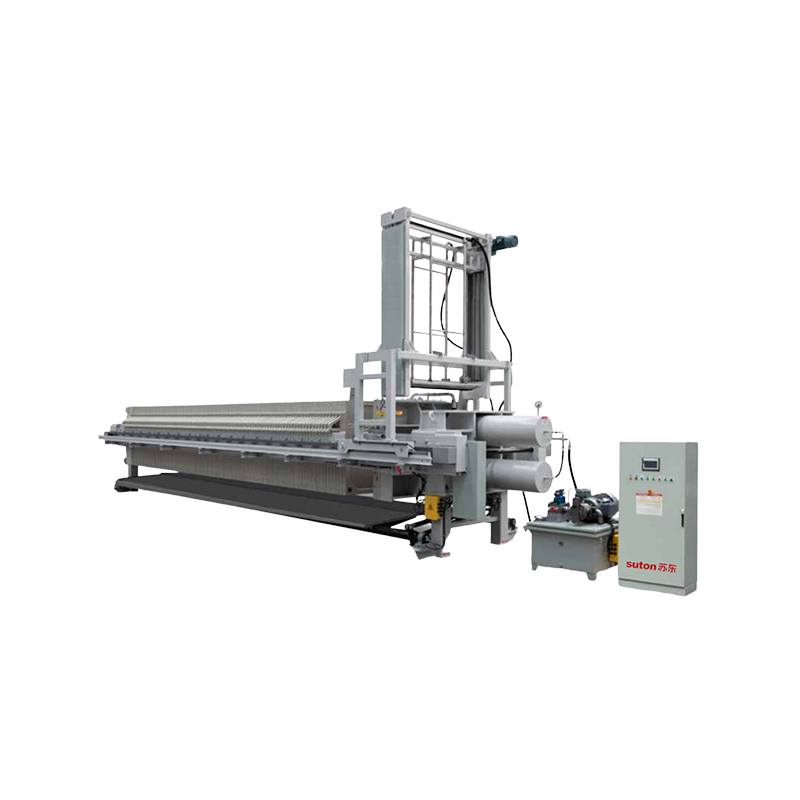
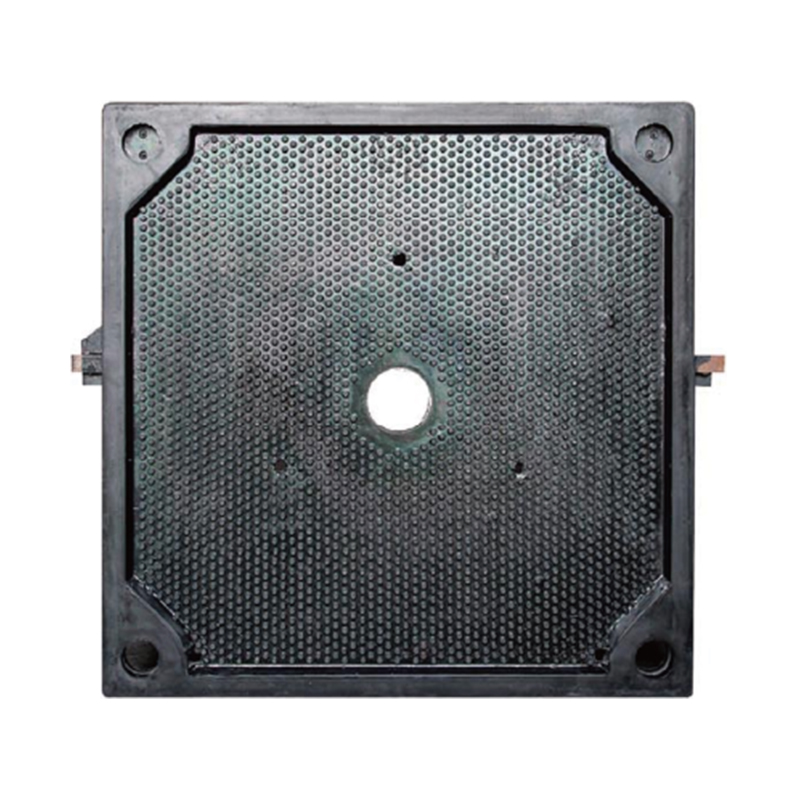
ตัวกรองแบบกดกรองห้องเป็นระบบการกรองแบบดั้งเดิมและใช้กันมากที่สุดในงานอุตสาหกรรม ประกอบด้วยแผ่นกรองแบบฝังปิดด้วยผ้ากรอง เมื่อแผ่นถูกกดเข้าด้วยกัน แผ่นเหล่านี้จะก่อตัวเป็นห้องกรองแบบปิดผนึกที่ซึ่งสารละลายจะถูกสูบภายใต้ความกดดัน
เมื่อสารละลายเข้าไปในแต่ละห้อง ของเหลวจะไหลผ่านผ้ากรองในขณะที่อนุภาคของแข็งยังคงอยู่ภายใน และค่อยๆ ก่อตัวเป็นเค้กกรอง เมื่อเติมห้องเพาะเลี้ยงจนเต็มแล้ว วงจรการกรองจะสิ้นสุดลง และแผ่นจะถูกเปิดออกเพื่อระบายเค้ก
เนื่องจากเครื่องอัดตัวกรองแบบห้องอาศัยแรงดันของฟีดปั๊มเพียงอย่างเดียว ปริมาณความชื้นของเค้กกรองจึงขึ้นอยู่กับเวลาในการกรองและแรงดันในการปั๊มเป็นหลัก
คุณสมบัติที่สำคัญ
- โครงสร้างที่เรียบง่ายและเชื่อถือได้
- การลงทุนเริ่มแรกต่ำกว่า
- ใช้งานง่ายและบำรุงรักษา
- เหมาะสำหรับการผลิตภาคอุตสาหกรรมต่อเนื่อง
- เข้ากันได้กับวัสดุผ้ากรองที่หลากหลาย
การใช้งานทั่วไป
- การบำบัดน้ำเสียชุมชน
- การทำเหมืองแร่
- การผลิตสารเคมี
- การผลิตเซรามิก
- การประมวลผลเม็ดสี
- การแปรรูปอาหาร
- การบำบัดน้ำเสียจากตะกอนอุตสาหกรรม
ข้อดี
| คุณสมบัติ | ผลประโยชน์ |
| การออกแบบที่เรียบง่าย | ค่าบำรุงรักษาที่ต่ำกว่า |
| ต้นทุนการซื้อต่ำ | เหมาะสำหรับโครงการที่คำนึงถึงงบประมาณ |
| การดำเนินงานที่มั่นคง | เหมาะสำหรับการผลิตต่อเนื่อง |
| เปลี่ยนผ้ากรองได้ง่าย | ลดเวลาหยุดทำงาน |
| ช่วงการใช้งานที่กว้าง | จัดการกับสารละลายหลายประเภท |
ข้อจำกัด
แม้ว่าตัวกรองแบบกดกรองห้องจะมีความน่าเชื่อถือสูง แต่โดยทั่วไปแล้วจะผลิตเค้กตัวกรองที่มีความชื้นตกค้างสูงกว่าเมื่อเปรียบเทียบกับระบบกดตัวกรองแบบเมมเบรน รอบการกรองอาจนานขึ้นเมื่อต้องจัดการกับวัสดุที่แยกน้ำออกยาก
ตัวกรองกดตัวกรองเมมเบรนคืออะไร?
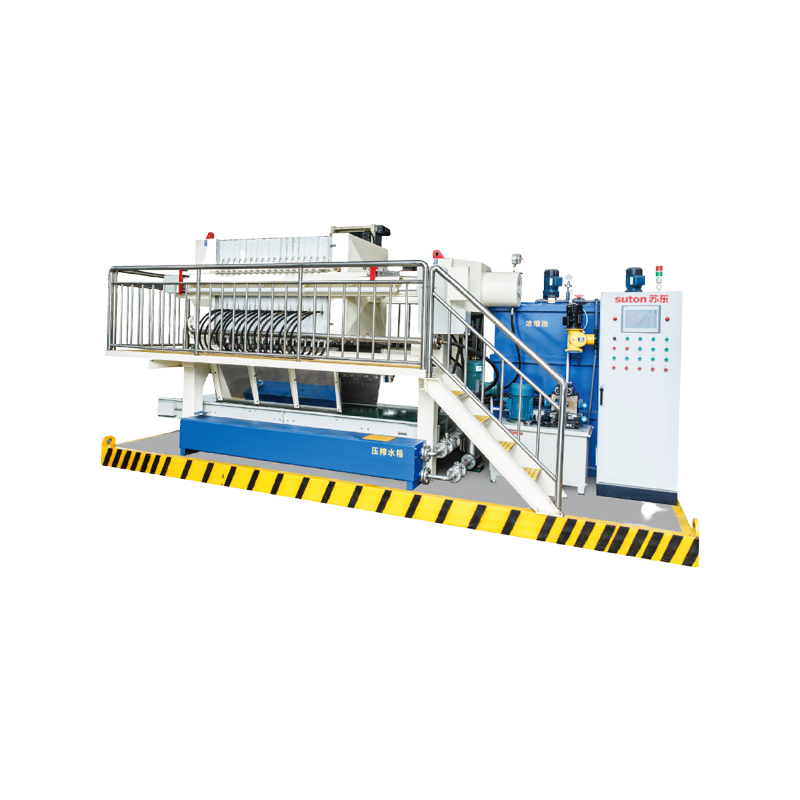
ตัวกรองแบบกดตัวกรองเมมเบรนเป็นเวอร์ชันขั้นสูงของการกดตัวกรองแบบห้อง หลังจากที่ห้องกรองเต็มไปด้วยของแข็ง แผ่นเมมเบรนที่ยืดหยุ่นจะขยายตัวโดยใช้ลมอัดหรือแรงดันน้ำ
ขั้นตอนการบีบเมมเบรนนี้จะบีบอัดเค้กตัวกรอง บังคับให้ของเหลวเพิ่มเติมผ่านผ้ากรอง และลดความชื้นที่ตกค้างได้อย่างมาก
กระบวนการบีบพิเศษทำให้เครื่องอัดกรองเมมเบรนมีคุณค่าอย่างยิ่งสำหรับอุตสาหกรรมที่ต้องการเค้กกรองที่แห้งมากหรือต้นทุนการขนส่งที่ต่ำกว่า
กระบวนการทำงาน
เครื่องกดตัวกรองเมมเบรนทำงานในสองขั้นตอน:
- ขั้นตอนการกรองปกติ
- ขั้นตอนการบีบเมมเบรน
ในระหว่างขั้นตอนที่สอง แผ่นเมมเบรนจะขยายและบีบอัดเค้กตัวกรองให้เท่าๆ กัน ปรับปรุงประสิทธิภาพการแยกน้ำโดยไม่ขยายเวลาการกรองอย่างมีนัยสำคัญ
คุณสมบัติที่สำคัญ
- การบีบเค้กรอง
- ลดความชื้นของเค้ก
- ประสิทธิภาพการกรองที่สูงขึ้น
- ประสิทธิภาพการแห้งเร็วขึ้น
- ประสิทธิภาพการซักที่ดีขึ้น
- ลดต้นทุนการกำจัด
การใช้งานทั่วไป
- การทำเหมืองมีความเข้มข้น
- ตัวเร่งปฏิกิริยาเคมี
- ตัวกลางทางเภสัชกรรม
- สารเคมีชั้นดี
- การผลิตวัสดุแบตเตอรี่
- กากตะกอนไฟฟ้า
- การบำบัดของเสียอันตราย
ข้อดี
| คุณสมบัติ | ผลประโยชน์ |
| การบีบเมมเบรน | ผลิตเค้กกรองแห้ง |
| ประสิทธิภาพสูงขึ้น | วงจรการผลิตโดยรวมสั้นลง |
| ลดต้นทุนการขนส่ง | น้ำในเค้กกรองน้อยลง |
| ล้างเค้กกันดีกว่า | ความบริสุทธิ์ของผลิตภัณฑ์ที่สูงขึ้น |
| พลังงานในการอบแห้งลดลง | ประหยัดค่าใช้จ่ายในการดำเนินงาน |
ข้อจำกัด
เมื่อเปรียบเทียบกับตัวกรองแบบกดตัวกรองแชมเบอร์ ระบบเมมเบรนต้องการ:
- การลงทุนเริ่มแรกที่สูงขึ้น
- ระบบไฮดรอลิกที่ซับซ้อนมากขึ้น
- การบำรุงรักษาเพิ่มเติมสำหรับแผ่นเมมเบรน
- ต้นทุนการดำเนินงานสูงขึ้นเล็กน้อย
อย่างไรก็ตาม ต้นทุนเพิ่มเติมเหล่านี้มักจะถูกชดเชยด้วยประสิทธิภาพการผลิตที่ดีขึ้นและค่าใช้จ่ายในการประมวลผลขั้นปลายที่ลดลง
ความแตกต่างที่สำคัญระหว่างตัวกรองเมมเบรนและตัวกรองแบบกดตัวกรองห้อง
แม้ว่าทั้งสองระบบจะใช้แผ่นกรองและผ้ากรองเพื่อแยกของแข็งออกจากของเหลว แต่หลักการทำงานและประสิทธิภาพแตกต่างกันอย่างมาก
| รายการเปรียบเทียบ | ตัวกรองกดตัวกรองห้อง | แผ่นกรองเมมเบรน แผ่นกรองกด |
| ประเภทแผ่น | แผ่นห้องแบบฝัง | แผ่นเมมเบรน |
| วิธีการกรอง | แรงดันปั๊มเท่านั้น | ปั๊มแรงดันเมมเบรนบีบ |
| เค้กความชื้น | สูงกว่า | ล่าง |
| ความเร็วในการกรอง | มาตรฐาน | รอบโดยรวมเร็วขึ้น |
| การล้างเค้ก | มาตรฐาน | มีประสิทธิภาพมากขึ้น |
| การใช้พลังงาน | ล่าง | ปานกลาง |
| ต้นทุนเริ่มต้น | ล่าง | สูงกว่า |
| การบำรุงรักษา | ง่ายขึ้น | ซับซ้อนกว่าเล็กน้อย |
| ผลผลิต | ดี | ยอดเยี่ยม |
| เหมาะสำหรับสารละลายที่ยาก | ปานกลาง | ยอดเยี่ยม |
โดยทั่วไป ตัวกรองแบบกดตัวกรองเมมเบรนให้ประสิทธิภาพการแยกน้ำที่เหนือกว่า ในขณะที่ตัวกรองแบบกดตัวกรองแบบห้องให้โซลูชันที่ประหยัดกว่าสำหรับการกรองทางอุตสาหกรรมทั่วไป
ประโยชน์ของตัวกรองกดตัวกรองหอการค้า
สำหรับโรงงานอุตสาหกรรมหลายแห่ง ตัวกรองแบบกดกรองห้องยังคงเป็นตัวเลือกที่ต้องการ เนื่องจากมีความสมดุลระหว่างต้นทุนและประสิทธิภาพ
การลงทุนด้านทุนที่ต่ำกว่า
การออกแบบอุปกรณ์ไม่ซับซ้อน ทำให้ต้นทุนการซื้อและติดตั้งค่อนข้างต่ำ สิ่งนี้ทำให้เครื่องอัดตัวกรองแบบห้องมีความน่าสนใจสำหรับโรงงานผลิตขนาดเล็กและขนาดกลาง
บำรุงรักษาง่าย
เนื่องจากมีส่วนประกอบที่เคลื่อนไหวน้อยกว่า ความต้องการในการบำรุงรักษาจึงค่อนข้างง่าย การเปลี่ยนผ้ากรอง การตรวจสอบเพลท และการบริการไฮดรอลิกมักจะเสร็จสิ้นได้อย่างรวดเร็ว
การดำเนินงานที่เชื่อถือได้
เครื่องกรองแบบห้องกรองถูกนำมาใช้อย่างประสบความสำเร็จมานานหลายทศวรรษ และให้ประสิทธิภาพที่เชื่อถือได้ภายใต้สภาวะการทำงานที่หลากหลาย
ความเข้ากันได้ของวัสดุในวงกว้าง
ระบบเหล่านี้สามารถประมวลผลสารละลายได้หลายประเภท ได้แก่:
- แร่ธาตุเข้มข้น
- กากตะกอนเคมี
- ตะกอนชีวภาพ
- สารละลายเซรามิก
- ผลิตภัณฑ์อาหาร
- เยื่อกระดาษ
สำหรับการใช้งานที่ความชื้นเค้กต่ำเป็นพิเศษ ตัวกรองแบบกดตัวกรองห้องให้คุณค่าที่ดีเยี่ยม
ประโยชน์ของตัวกรองแบบกดเมมเบรนกรอง
ตัวกรองแบบกดกรองเมมเบรนได้รับการออกแบบมาเพื่อการทำงานที่ต้องการประสิทธิภาพการกรองที่สูงขึ้นและมีความชื้นต่ำ
ลดความชื้นตกค้าง
กระบวนการบีบเมมเบรนจะขจัดของเหลวเพิ่มเติมหลังจากการกรอง ส่งผลให้เค้กของตัวกรองแห้งยิ่งขึ้นอย่างมาก
ระดับความชื้นที่ลดลงสามารถลดต้นทุนการขนส่ง ข้อกำหนดในการจัดเก็บ และค่าใช้จ่ายในการทำให้แห้งได้
ปรับปรุงประสิทธิภาพการผลิต
เนื่องจากการบีบเมมเบรนช่วยเร่งการแยกน้ำออก วงจรการผลิตจึงมักจะสั้นกว่ารอบการผลิตของระบบแชมเบอร์ทั่วไป
ปริมาณงานที่สูงขึ้นหมายถึงความสามารถในการผลิตที่เพิ่มขึ้นโดยไม่ต้องขยายพื้นที่โรงงาน
คุณภาพผลิตภัณฑ์ที่ดีขึ้น
อุตสาหกรรมหลายแห่งต้องการเค้กกรองที่สะอาดอย่างยิ่ง
กระบวนการอัดเมมเบรนช่วยเพิ่มการล้างเค้ก ช่วยขจัดสิ่งสกปรกได้อย่างมีประสิทธิภาพมากขึ้น
ลดต้นทุนการดำเนินงานโดยรวม
แม้ว่าการกดตัวกรองเมมเบรนจะมีราคาสูงกว่าในช่วงแรก แต่ผู้ใช้จำนวนมากสามารถกู้คืนการลงทุนผ่าน:
- พลังงานในการอบแห้งลดลง
- ค่าขนส่งที่ต่ำกว่า
- กำลังการผลิตที่สูงขึ้น
- ปรับปรุงการฟื้นตัวของผลิตภัณฑ์
- การกำจัดขยะน้อยลง
สำหรับการผลิตในปริมาณมาก การประหยัดในระยะยาวเหล่านี้อาจเป็นประโยชน์อย่างมาก
วิธีการเลือกระหว่างตัวกรองเมมเบรนและตัวกรองแบบกด
การเลือกตัวกรองกดตัวกรองที่เหมาะสมนั้นขึ้นอยู่กับปัจจัยการดำเนินงานหลายประการ
ประเมินลักษณะของสารละลายของคุณ
พิจารณา:
- ขนาดอนุภาค
- ความเข้มข้นที่เป็นของแข็ง
- ความหนืด
- องค์ประกอบทางเคมี
- การบีบอัด
คุณสมบัติของสารละลายที่แตกต่างกันส่งผลต่อความเร็วในการกรองและการเกิดเค้ก
กำหนดข้อกำหนดด้านความชื้น
หากกระบวนการผลิตของคุณต้องใช้เค้กกรองที่แห้งมาก เครื่องกรองแบบเมมเบรนมักเป็นตัวเลือกที่ดีกว่า
สำหรับการใช้งานที่ยอมรับความชื้นปานกลาง เครื่องกรองแบบแชมเบอร์อาจให้โซลูชันที่คุ้มค่ากว่า
พิจารณาปริมาณการผลิต
การผลิตต่อเนื่องขนาดใหญ่มักจะได้ประโยชน์จากประสิทธิภาพที่สูงขึ้นของเครื่องกรองเมมเบรน
สิ่งอำนวยความสะดวกขนาดเล็กที่มีปริมาณงานปานกลางอาจชอบความเรียบง่ายของระบบห้องเพาะเลี้ยง
เปรียบเทียบต้นทุนการเป็นเจ้าของทั้งหมด
แทนที่จะเน้นเฉพาะราคาซื้อ ให้ประเมิน:
- การใช้พลังงาน
- ค่าแรง
- ค่าบำรุงรักษา
- เปลี่ยนผ้ากรอง
- ค่าใช้จ่ายในการกำจัดเค้ก
- อายุการใช้งานของอุปกรณ์
ราคาซื้อต่ำสุดไม่ได้ส่งผลให้ต้นทุนการดำเนินงานในระยะยาวต่ำที่สุดเสมอไป
จับคู่อุปกรณ์ให้ตรงกับความต้องการของอุตสาหกรรม
อุตสาหกรรมที่แตกต่างกันมีลำดับความสำคัญที่แตกต่างกัน:
| อุตสาหกรรม | ประเภทตัวกรองที่แนะนำ |
| การบำบัดน้ำเสีย | กดตัวกรองห้อง |
| การทำเหมืองแร่ | เครื่องกรองเมมเบรน |
| การแปรรูปทางเคมี | เครื่องกรองเมมเบรน |
| อุตสาหกรรมอาหาร | แล้วแต่กระบวนการ |
| ยา | เครื่องกรองเมมเบรน |
| เซรามิกส์ | กดตัวกรองห้อง |
| เม็ดสี | เครื่องกรองเมมเบรน |
| โลหะวิทยา | เครื่องกรองเมมเบรน |
เคล็ดลับการบำรุงรักษาเพื่ออายุการใช้งานที่ยาวนานขึ้น
ไม่ว่าการกดตัวกรองจะเป็นประเภทใด การบำรุงรักษาอย่างเหมาะสมถือเป็นสิ่งสำคัญเพื่อประสิทธิภาพที่เชื่อถือได้
แนวทางปฏิบัติที่แนะนำได้แก่:
- ทำความสะอาดผ้ากรองอย่างสม่ำเสมอเพื่อป้องกันการอุดตัน
- ตรวจสอบแผ่นกรองว่ามีรอยแตกร้าวหรือการเสียรูปหรือไม่
- ตรวจสอบแรงดันไฮดรอลิกระหว่างการทำงาน
- เปลี่ยนซีลที่เสียหายทันที
- ตรวจสอบแผ่นเมมเบรนว่ามีการสึกหรอหรือรั่วซึมหรือไม่
- หล่อลื่นส่วนประกอบที่เคลื่อนไหวตามคำแนะนำของผู้ผลิต
- ดำเนินการตรวจสอบเป็นประจำเพื่อลดเวลาหยุดทำงานที่ไม่คาดคิด
การบำรุงรักษาอย่างสม่ำเสมอช่วยยืดอายุอุปกรณ์ รักษาประสิทธิภาพการกรอง และลดต้นทุนการดำเนินงาน

ข้อมูลติดต่อ
 หมายเลข 1, Sudong Road, Guxi Town, Taixing, Jiangsu, China
 +86-15720778188
 +86-523-87791016
 +86-523-87797781
 [email protected]

;void(0))